
Craftsmanship Over Trends: Why Investment Pieces Become Family Heirlooms
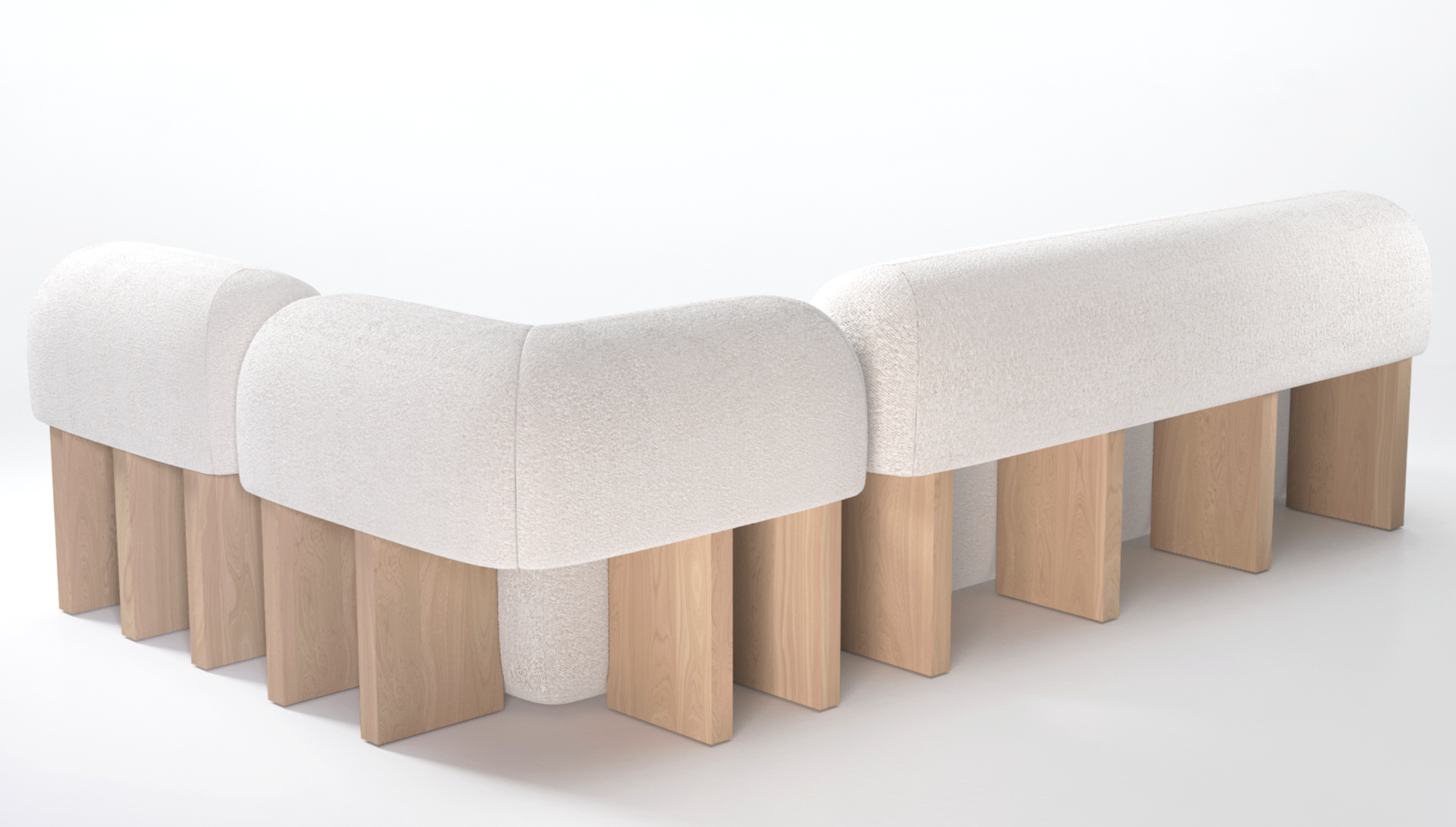
YEMENI SECTIONAL SOFA: Back view detail of the Yemeni modular sectional sofa, showing its tailored upholstery and modular construction
Real luxury doesn't fade. It deepens.
There's a meaningful difference between furniture and an investment piece—and it isn't price. It's intention. An investment piece is defined by materials chosen for longevity rather than expediency, construction designed to outlast trends by decades, and craftsmanship built to be passed down rather than replaced.
At Marie Burgos Collection, every piece is designed around this principle: furniture should be a conversation between maker and owner, not a seasonal purchase.
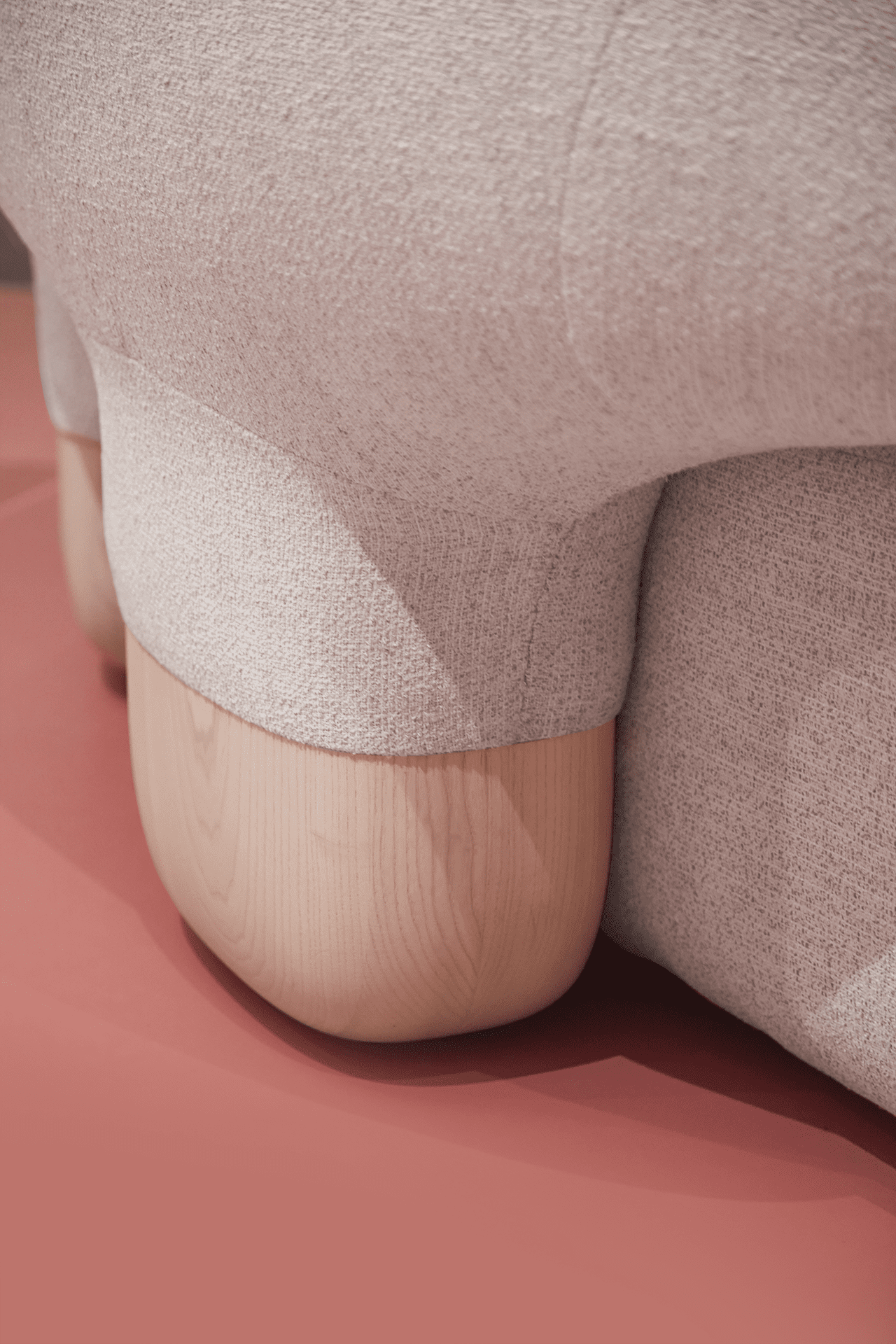
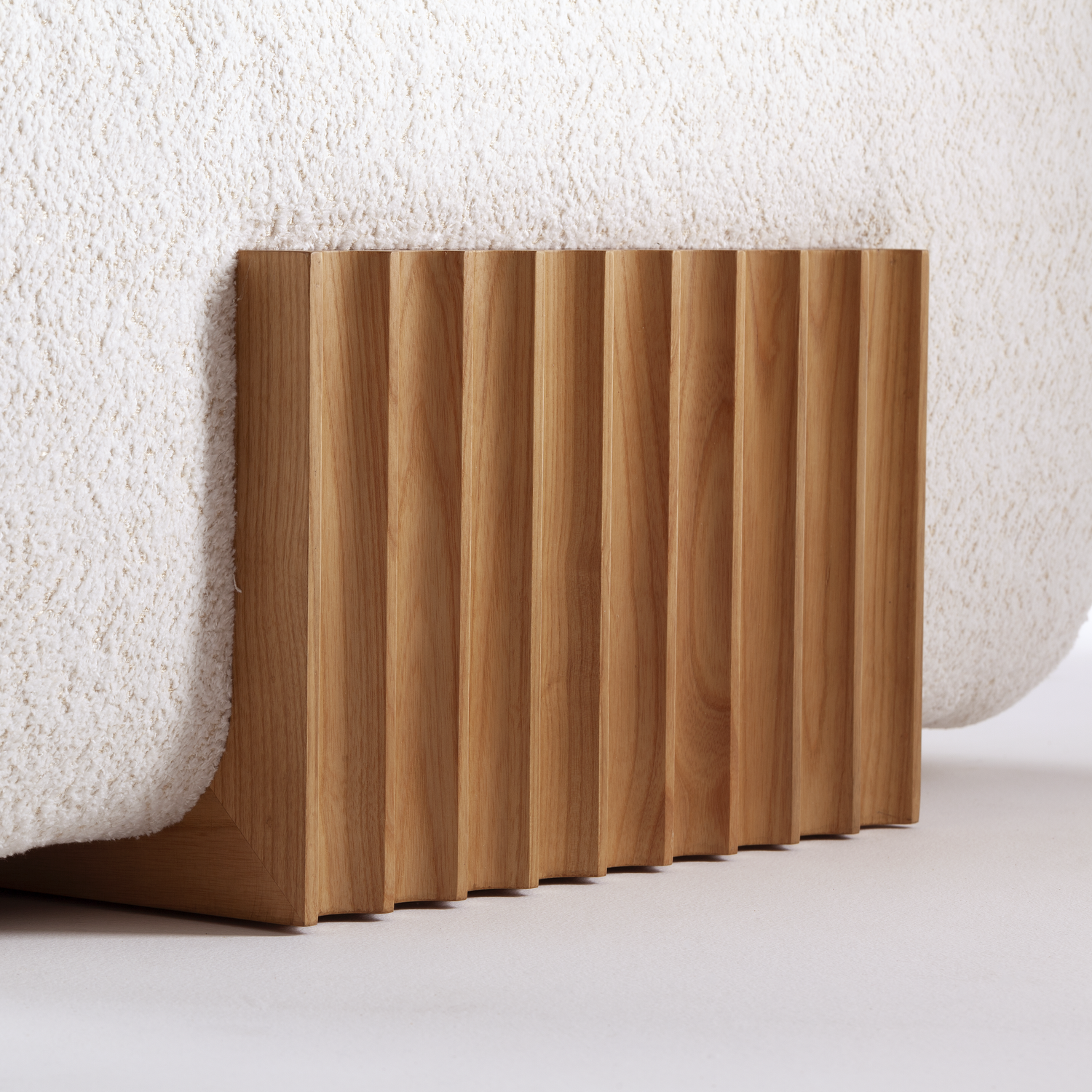
ASAWA SOFA: Close-up detail of the Asawa Sofa showing hand-finished stitching and solid wood frame construction
What Makes Furniture an Investment Piece?
Investment furniture is defined less by its price tag and more by three qualities:
Materials chosen for longevity, not for how cheaply or quickly they can be produced
Construction methods built to be repaired and to endure for generations
Design intention that transcends seasonal trends and stays relevant for decades
This is the foundation of heirloom-quality furniture—pieces that don't just furnish a room, but anchor a home across generations.
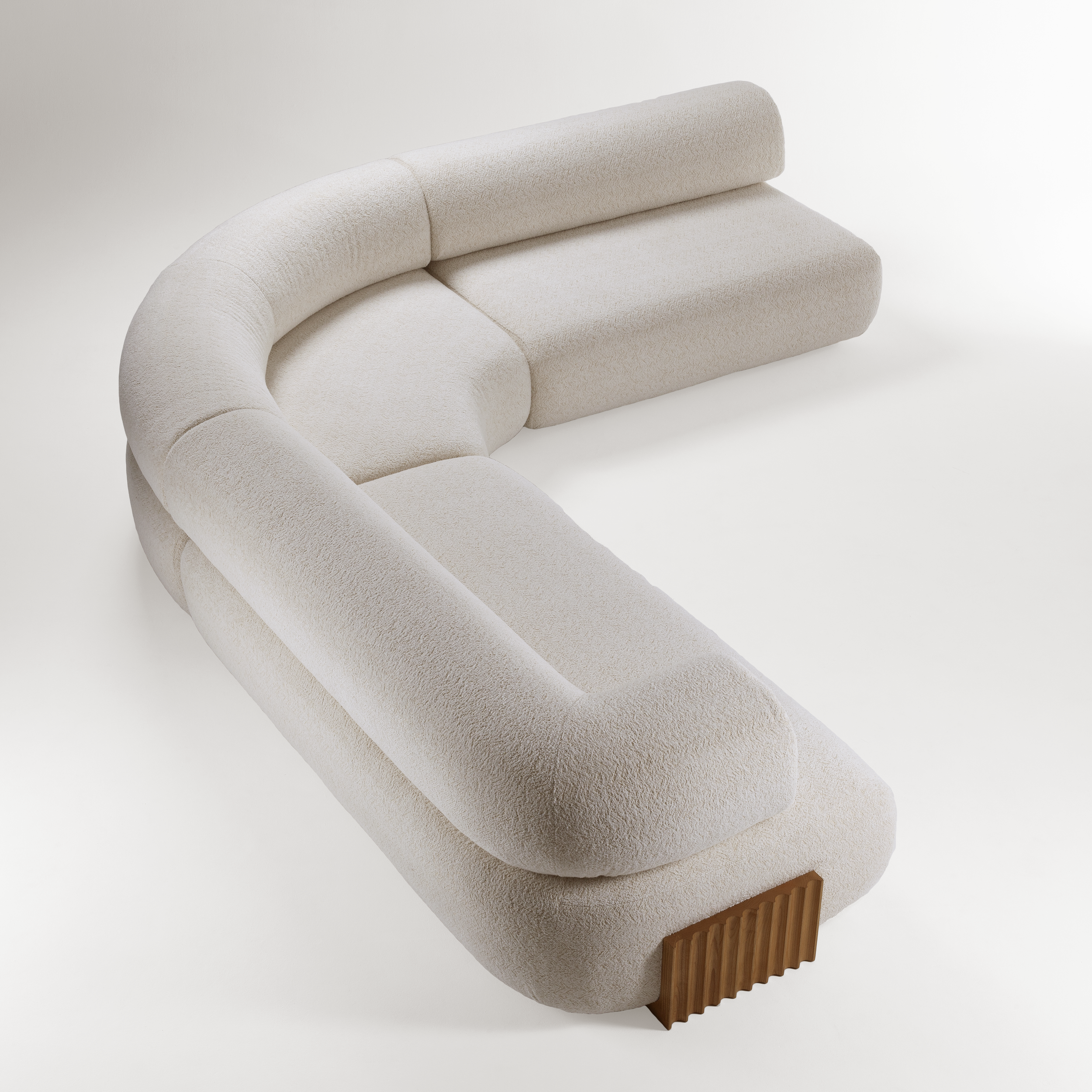
CARMEL MODULAR SOFA - 3 PIECE: Full view of the Carmel 3-piece modular sofa in a living room setting, showing its low-profile silhouette and modular configuration
Handmade Details That Matter
Craftsmanship lives in the details you don't see but feel every day. Here's how that principle shows up across the collection:
The Milo Sofa
Built with a solid wood frame and 90mm elastic webbing—the kind of hidden construction that determines how a sofa feels years after purchase, not just on day one. Premium high-resilience (HR) foam responds to the body and holds its shape over time, rather than flattening under regular use.
The Cayenne Ottoman
Crafted with solid walnut or oak bases—never veneer. Each ottoman is individually made, with precise joinery and hand-turned legs. These are the kinds of construction choices that separate handcrafted furniture from mass production.
The La Folie Armchair
Every curve is intentional. The upholstery is hand-stitched, and the proportions are engineered specifically for lasting comfort—not just a striking silhouette in a showroom.
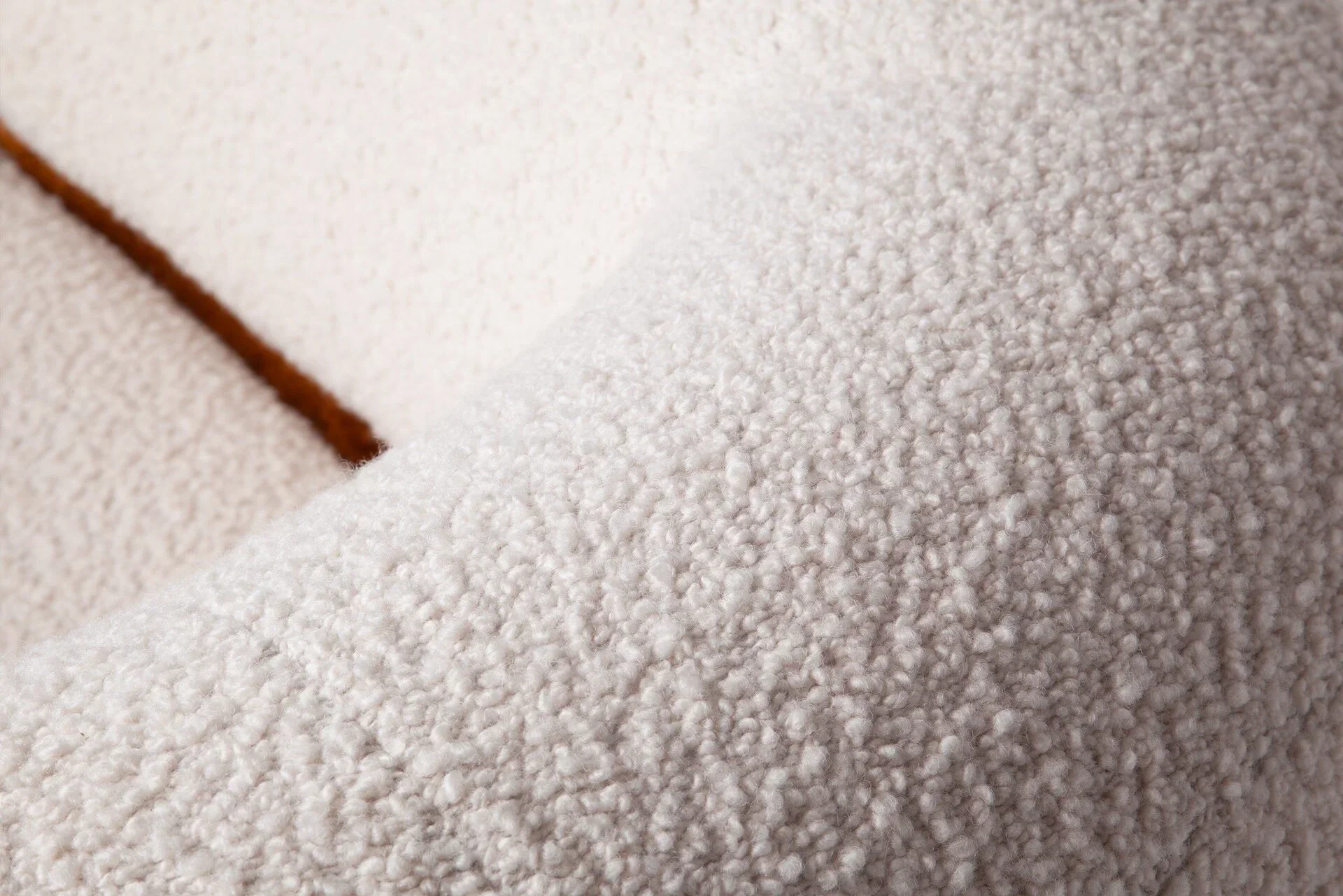
MALIBU SOFA : Close-up of Malibu Sofa in ivory bouclé fabric, showing the soft handwoven texture and natural fiber detail
Materials Chosen for Time, Not Trends
The best materials aren't selected because they're inexpensive. They're selected because they age honestly:
Fine velvet develops a subtle patina over time—a texture that reflects a life well-lived
Natural wood darkens and deepens with age, gaining character rather than losing it
Brass finishes oxidize beautifully, developing a richness that can't be replicated in a factory
This is the essence of heirloom design: materials that improve with age rather than deteriorate, so a piece tells a richer story the longer it's lived with.
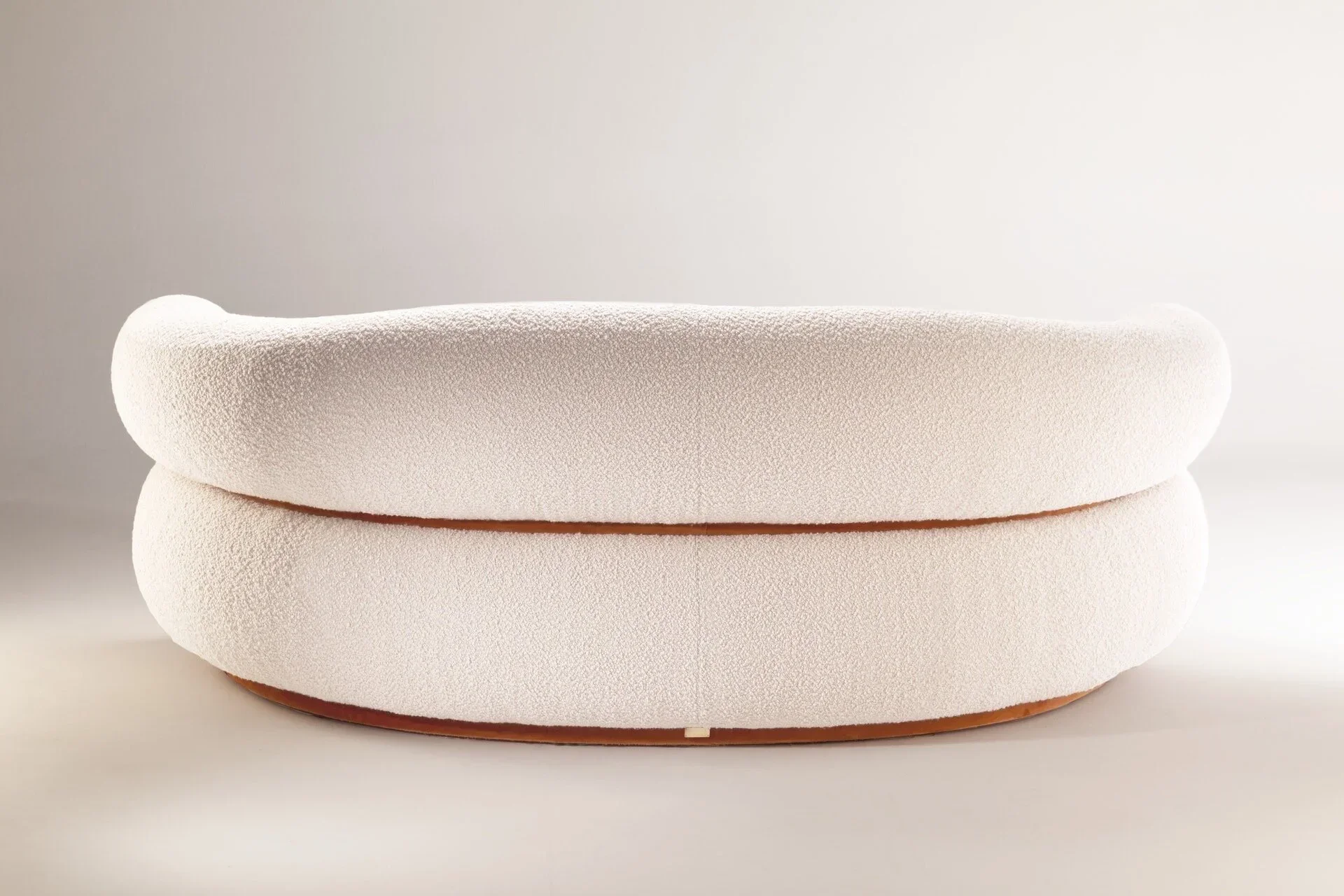
MALIBU SOFA: Back view of the Malibu Sofa highlighting its curved silhouette and tailored bouclé upholstery
The Craftsmanship Principle
An investment piece is a conversation between maker and owner. It's built to last, built to be repaired, and built to mean something—long after the trend cycle that inspired a cheaper alternative has moved on.
Buying for craftsmanship isn't about furnishing for this season. It's about building a home that outlasts trends and celebrates time.
— The Marie Burgos Collection Team
Frequently Asked Questions
What defines an "investment piece" in furniture? An investment piece is defined by intention rather than price—materials chosen for longevity, construction built to be repaired and passed down, and design that outlasts trends by decades.
Why does handcrafted furniture cost more than mass-produced furniture? Handcrafted furniture involves individual construction, solid materials (like solid wood rather than veneer), and hand-finished details such as hand-stitched upholstery and hand-turned legs—processes that take more time and skill than assembly-line production.
Does luxury furniture actually improve with age? Yes. Materials like fine velvet, natural wood, and brass are chosen specifically because they age gracefully—developing patina, depth, and character rather than wearing out.